The learning that was interrupted
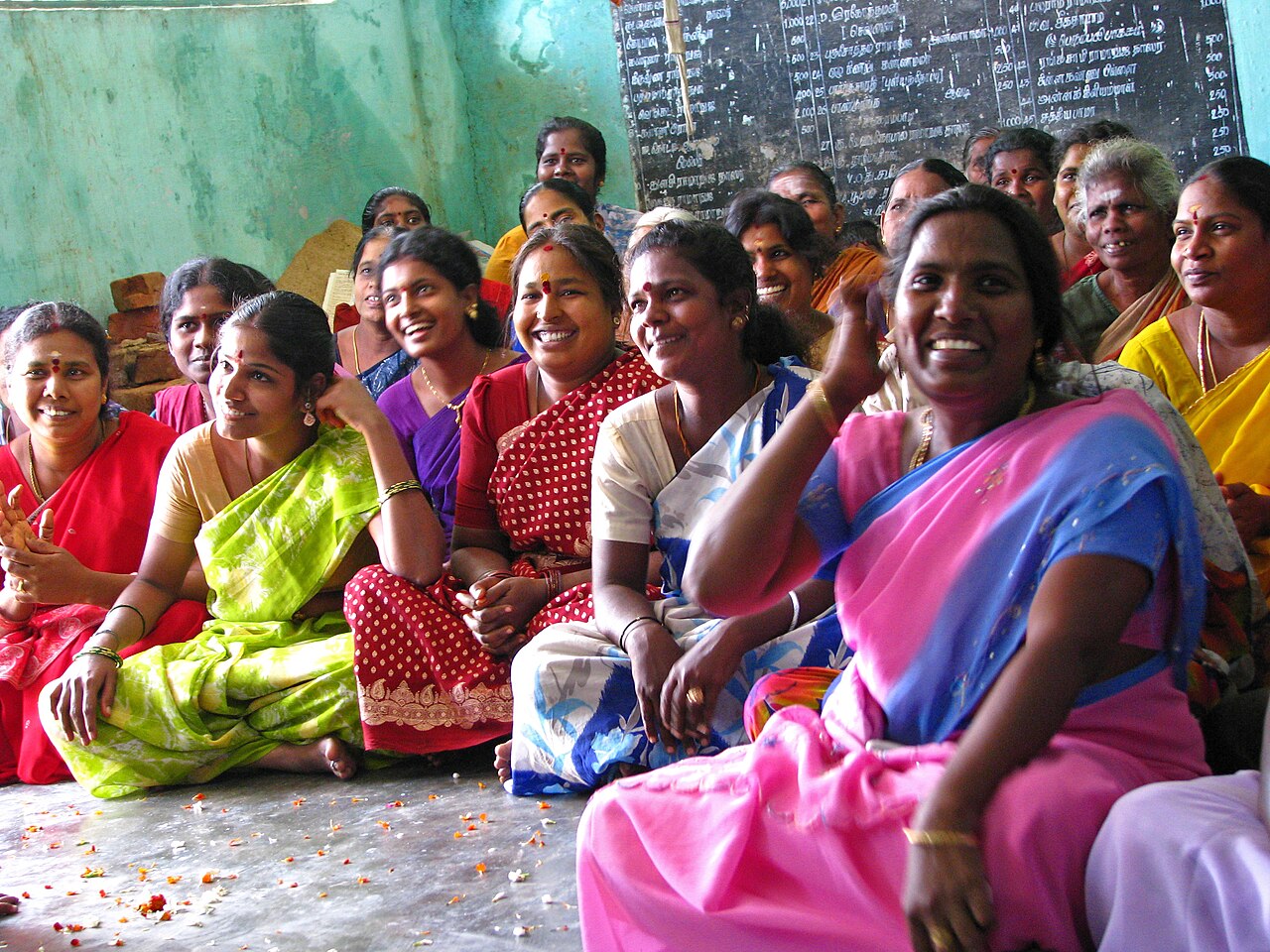
For a great many women in India, education stopped early — at marriage, at a brother's school fee, at a harvest, at a village with no secondary school for girls.
What follows is not only lost literacy. It is a lifetime of dependence on other people to read a document, count a payment, understand an entitlement or speak to an official. Schemes exist; the information about them does not travel. Rights exist; the confidence to claim them does not.
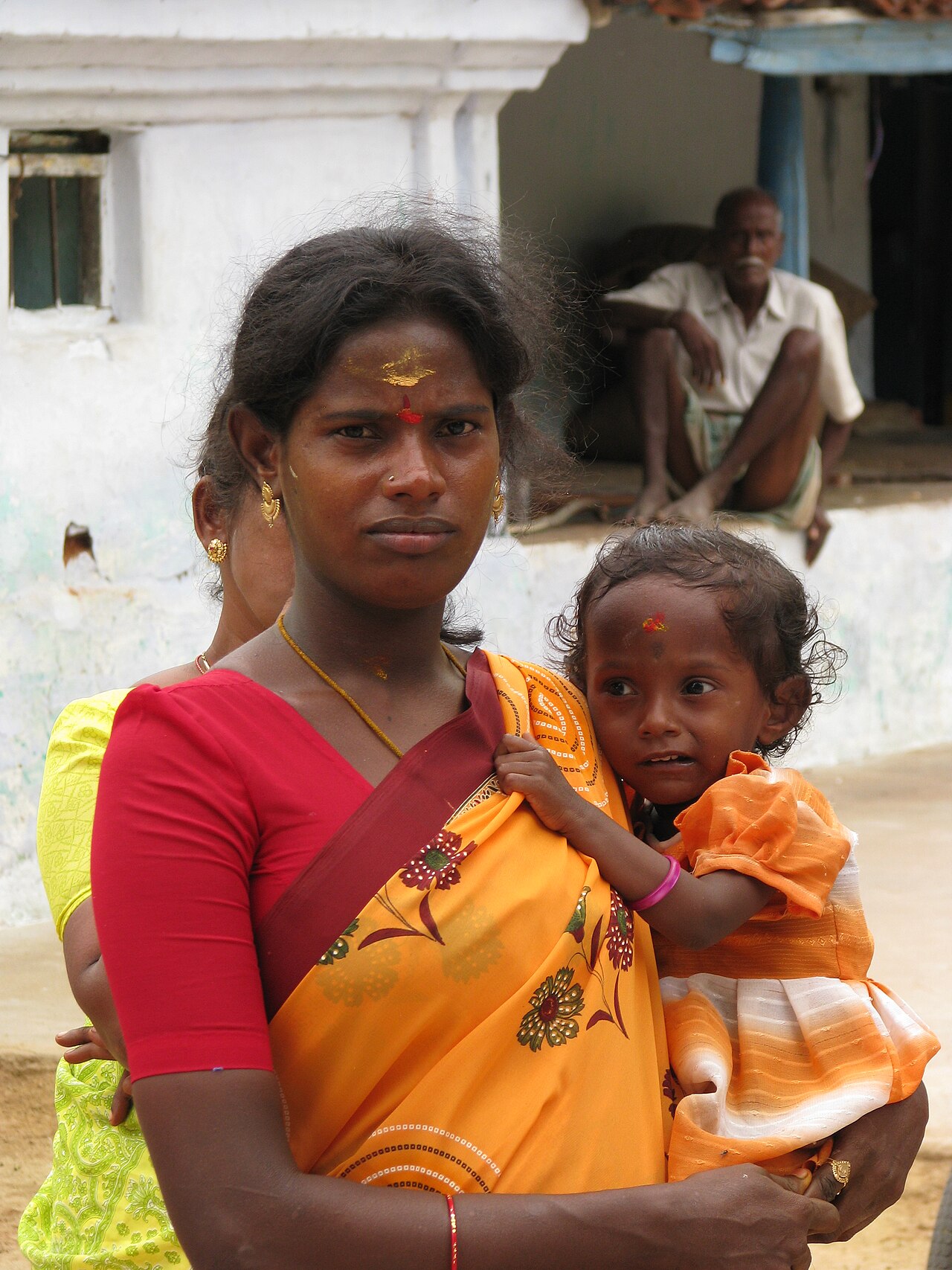
And it repeats: the strongest predictor of whether a girl stays in school is whether her mother went. Working with women is therefore not a separate programme from children's education. It is the same programme, one generation earlier.
What we run with women's collectives
Learning collectives
Weekly groups of fifteen to twenty women, facilitated by a woman from the same village, meeting at a time the group itself chooses.
Functional literacy
Reading and numeracy anchored in real use: a bank slip, a school notice, a wage record, a medicine label, a land document.
Rights and entitlements
What the law actually provides — on wages, land, maintenance, domestic violence, health services and welfare schemes — and how to ask for it.
Digital and financial skills
Using a phone for banking, payments, documents and information, safely and without depending on a male relative to operate it.
Livelihood skills
Skills chosen by the group and matched to local demand, with support on costing, pricing and market linkage — not craft for its own sake.
Leadership and voice
Preparing women to speak in the gram sabha, join school management committees and stand for local office — and to hold those seats once won.
Rules we set for ourselves
- Women decide the agenda. The group sets its own priorities; we bring the material and the facilitation, not the goals.
- Local facilitators. Sessions are led by women from the same community, trained and fairly paid.
- Timing around real lives. Sessions fit around farm work, wage work, water collection and childcare — not around our convenience.
- Bring the men along. Separate conversations with husbands, fathers and village elders, because a programme that ignores them puts women at risk.
- Safety first. Clear protocols and referral links for participants facing violence or coercion at home.
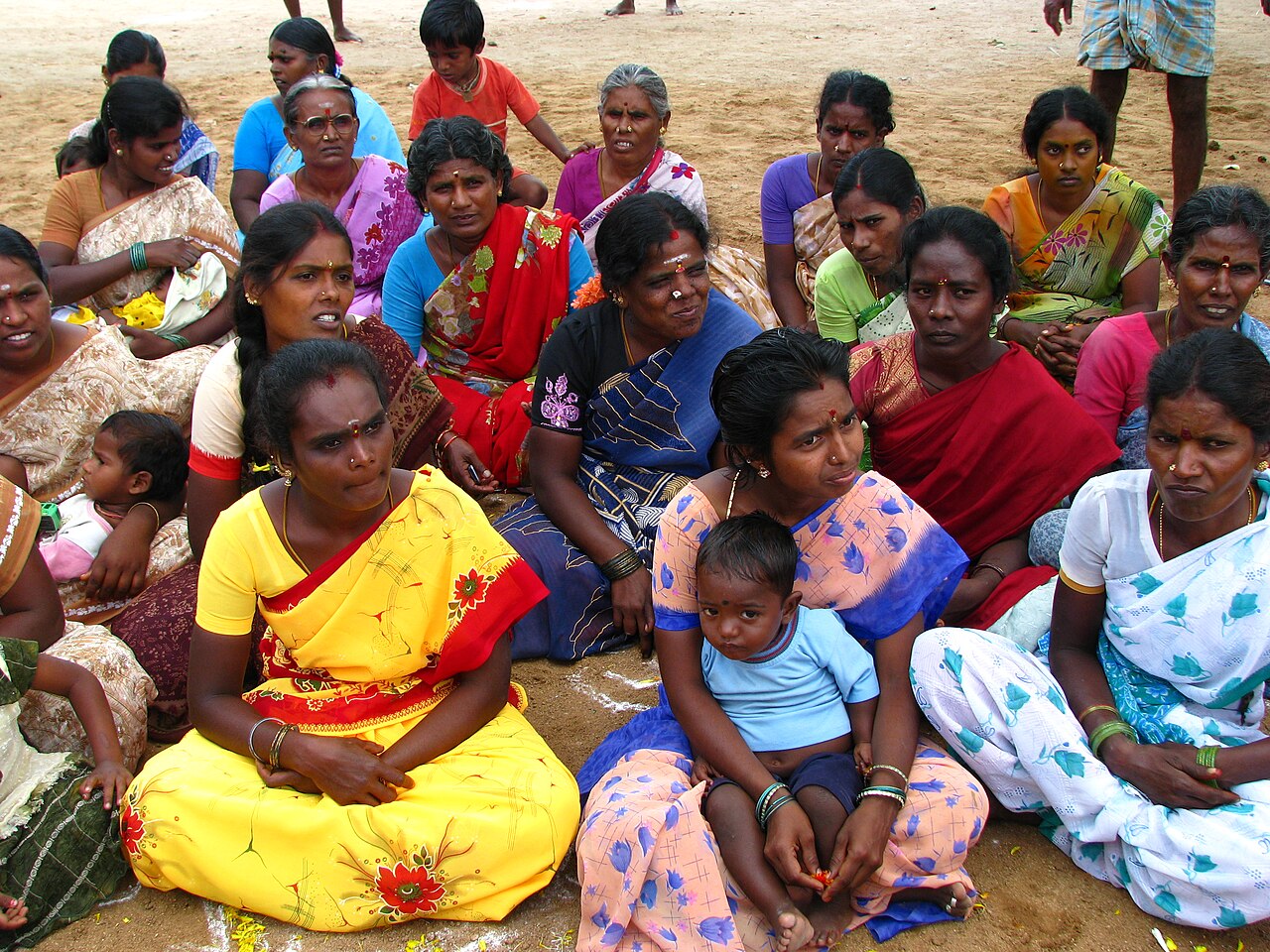
- Collective, not individual. Strength comes from twenty women standing together, not from one woman singled out for support.
The years where everything is decided
Between Class 8 and Class 10 a family makes a decision about a girl that will shape the rest of her life. Distance to the secondary school, cost, safety on the road, a marriage proposal, a younger sibling to care for — any one of these can end her schooling.
We work in exactly that window: girls' groups that keep learning going, conversations with parents about what continuing is worth, support with the practical obstacles, and connection to scholarship and hostel schemes that families often do not know exist.
See our education workBack a collective
A learning collective needs a trained local facilitator, materials, and about a year before it can stand on its own.