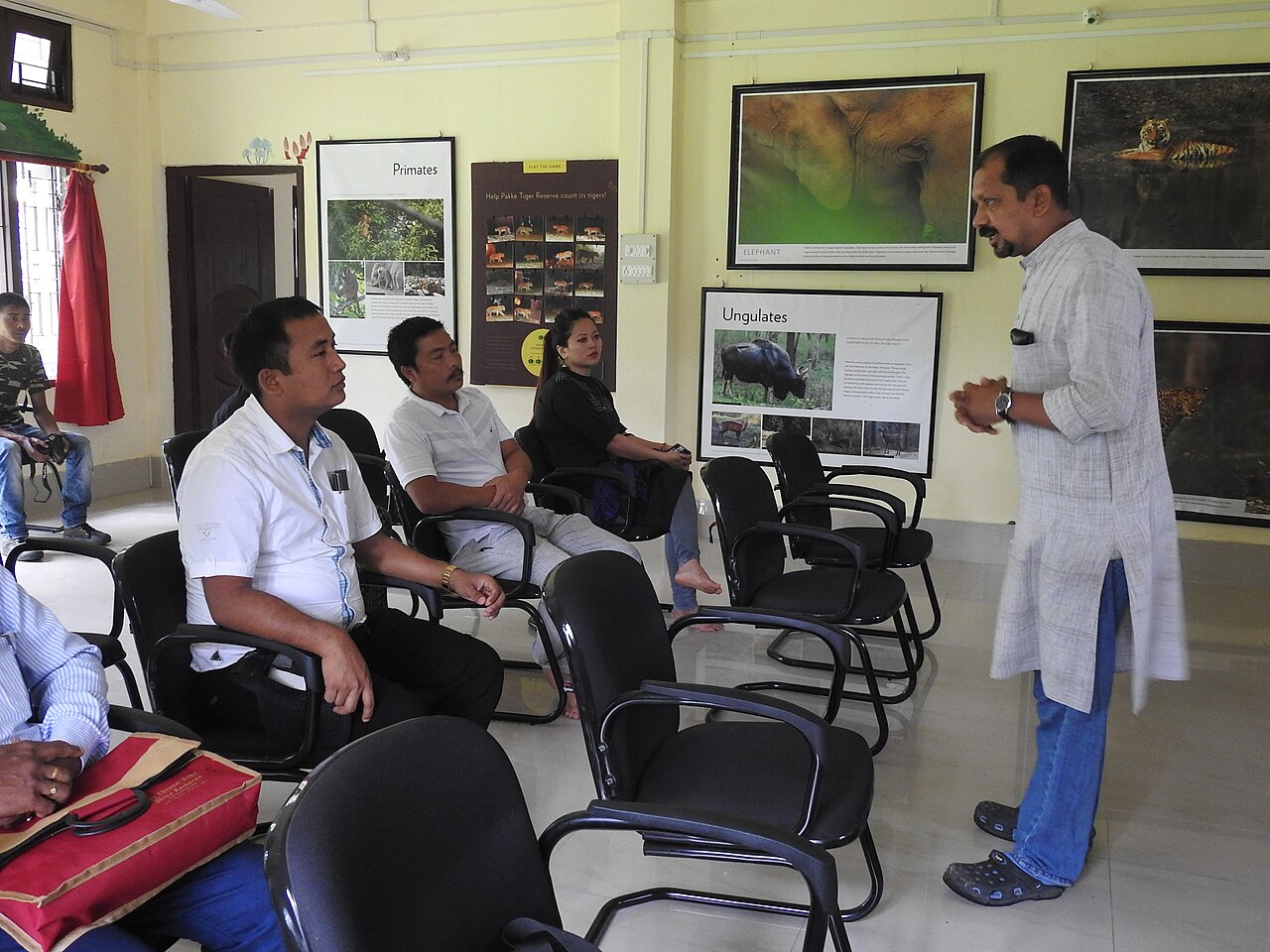
Good intentions are not evidence
The development sector is full of programmes that everyone believed in and nobody measured. Some of them helped. Some quietly wasted years of children's time.
We would rather find out. Every programme we run carries a baseline, a documented method and an honest read of the result — and all of it is published, whether it flatters us or not.
We are equally interested in the questions academic research tends to skip: what actually happens in the eleventh week of a programme, why a method that worked in one block failed in the next, and what it costs to keep something running once the launch enthusiasm is gone.
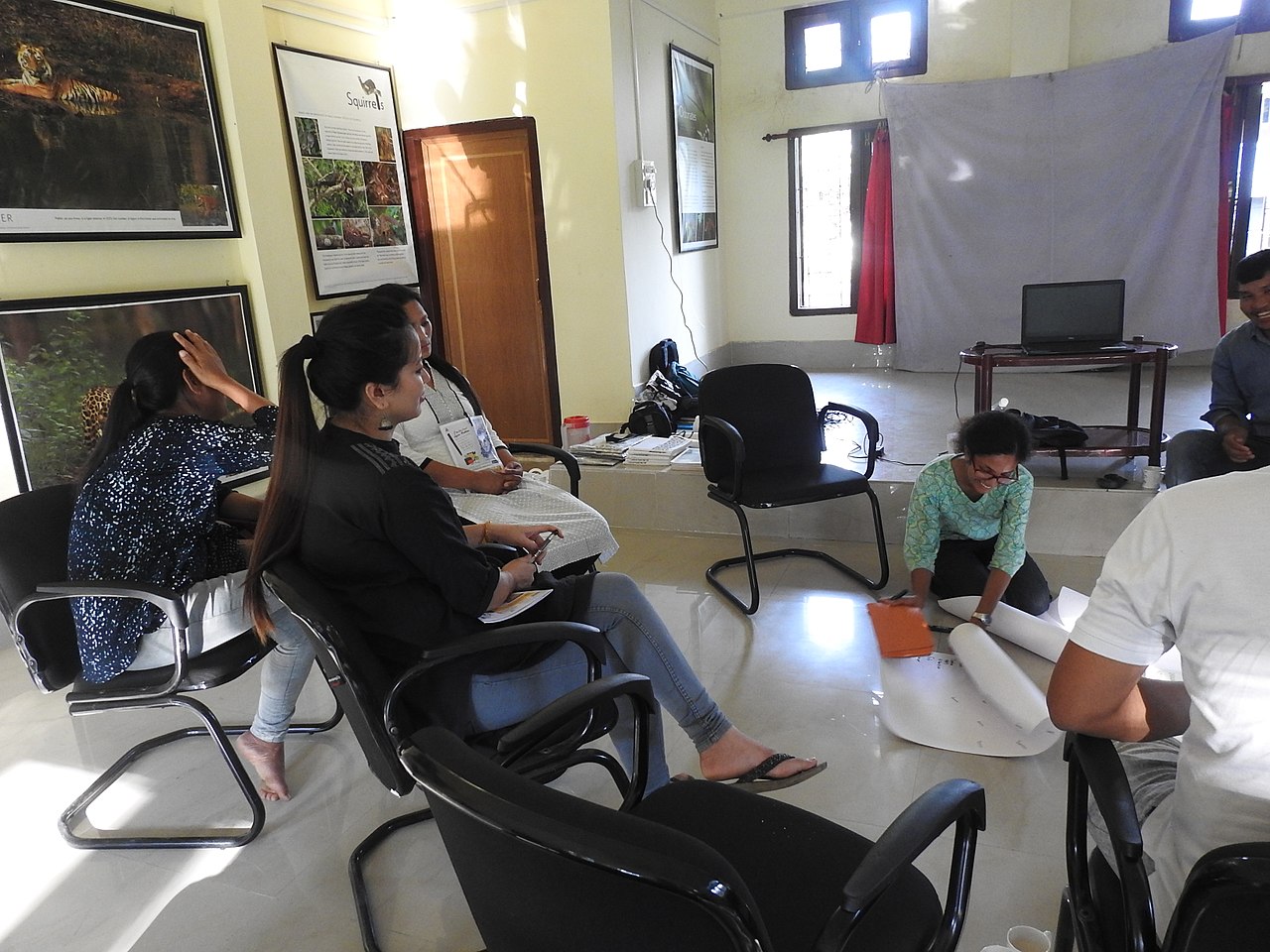
What the research programme covers
Baseline and endline studies
Simple, transparent instruments applied before and after every programme, with the tools themselves released so others can reuse or critique them.
Practitioner enquiry
Teachers investigating their own classrooms with light-touch support — the most under-used source of educational knowledge in the country.
Participatory research
Studies where community members help frame the question and interpret the findings, rather than serving as data points.
Materials development
Levelled readers, numeracy kits and facilitator guides in local languages, openly licensed for anyone to print and adapt.
Low-cost innovation
Testing frugal ideas — peer tutoring, phone-based practice, community volunteers — against the honest question of whether they beat doing nothing.
Documentation and dissemination
Field notes, working papers and toolkits written to be usable by another organisation, not only citable by a journal.
How we handle evidence
- Pre-register the question. We write down what we expect to find before we look.
- Publish nulls. A programme that showed no effect is reported as clearly as one that worked. Otherwise the whole field learns nothing.
- Consent and dignity. Informed consent from participants, guardians' consent for children, and no photograph or story used without permission.
- Community first. Findings go back to the people studied before they go to a donor, a conference or this website.
- Open licence. Reports and materials released so that any school, collective or organisation can use them without asking or paying.
- Independent review. Study designs reviewed by advisors who are free to tell us the work is weak.
An organisation that only publishes its successes has stopped learning. Our research policy, first line
For universities and research groups
We welcome collaboration with departments of education, sociology, economics and public policy — particularly on joint field studies, student dissertations grounded in real programmes, and independent evaluation of our own work.
We can offer field access, programme data, facilitation support and honest cooperation. What we ask in return is that findings are shared with the participating communities and published openly.
Propose a collaboration
Read what we publish
Working papers, toolkits and study reports are released openly as they are completed.