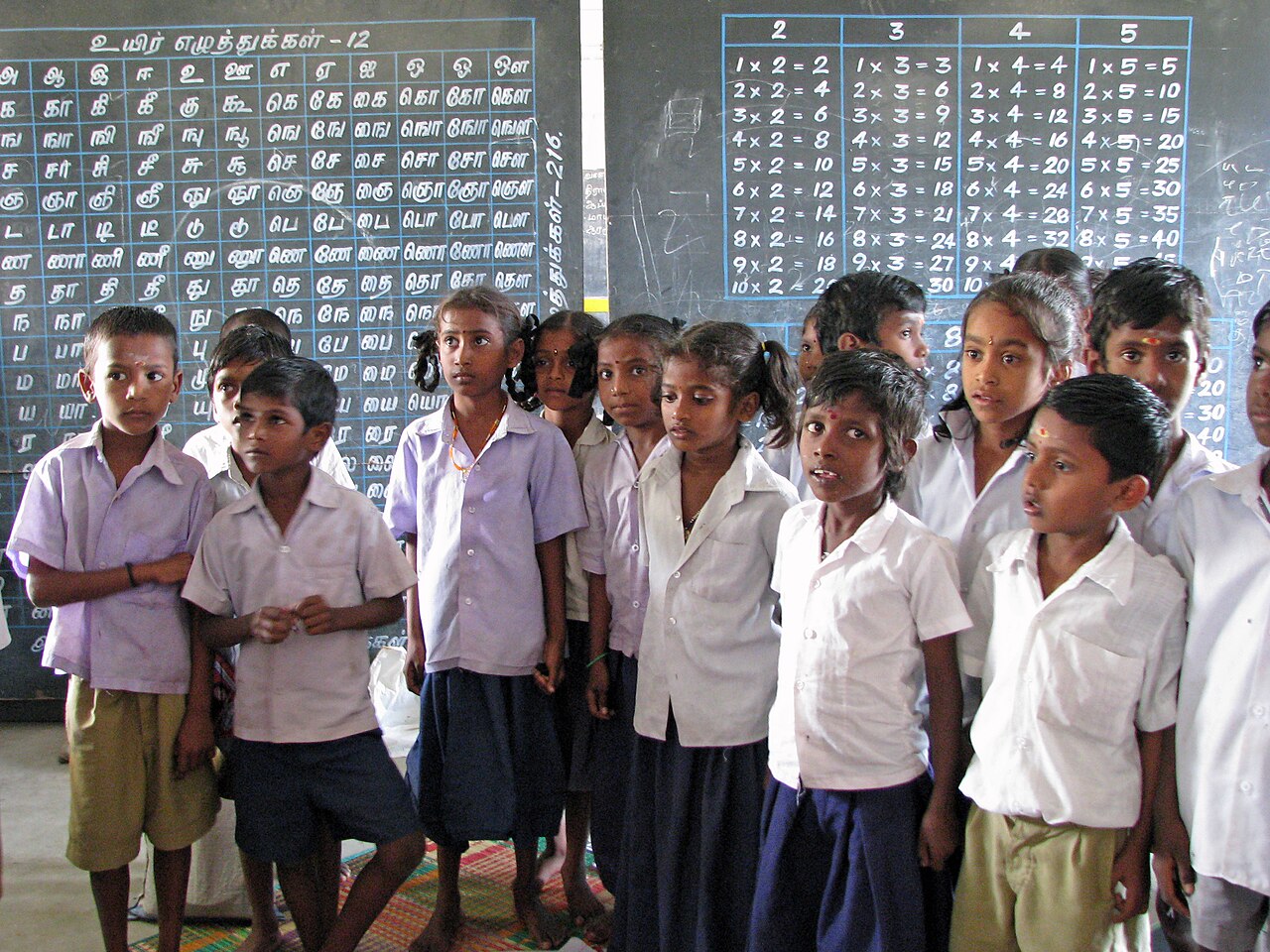
Enrolment was solved. Learning was not.
India put almost every child into a classroom. What did not follow was the assurance that sitting in that classroom would teach them to read, reason or ask a question.
Large numbers of children move up through the primary grades without being able to read a simple paragraph or do basic arithmetic — and once a child falls behind the pace of the textbook, the system has almost no mechanism to bring them back. They stay in school for years, understanding less each term, until they leave.
The failure is not the child's, and it is usually not the teacher's either. It is a design failure: one syllabus moving at one speed, in a language that may not be the child's own, taught to a class of forty children at six different levels.
What we actually run
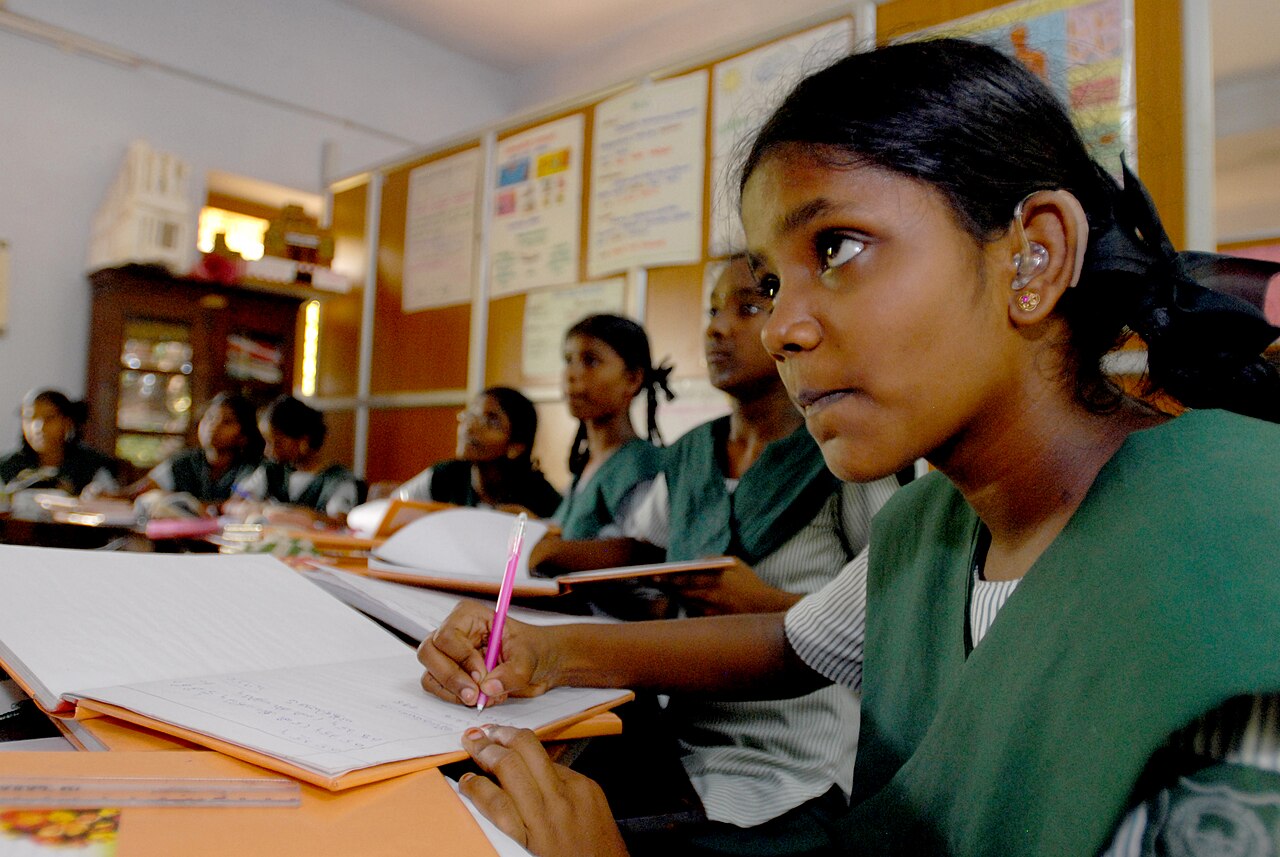
Reading circles
Small groups of children meet several times a week, outside the pressure of the syllabus, and read together at the level they are actually at. Facilitators are trained community volunteers and older students. The goal is fluency with meaning — a child who can tell you what the paragraph said, and what they thought of it.
Foundational numeracy
Number sense before procedure. Children work with physical materials and everyday problems until the idea is solid, then move to the written method. We group by level, not by grade, and let children move up when they are ready.
Teacher companionship
Workshops, classroom-side support and a network where teachers exchange what worked. No inspection, no scorecards. Teachers who feel judged close their doors; teachers who feel supported try things.
Learning by questioning
Lessons that open with a real question rather than a conclusion to be copied. Children argue, predict, test and revise. It is slower for a week and considerably faster after a term.
Libraries and reading corners
Age-appropriate books in the local language, kept where children can reach them without asking permission. A library that is locked is a store room.
School–community engagement
Parents and school management committees supported to understand what their children should be learning and to ask the school about it — the most durable accountability there is.
The non-negotiables in our classrooms
- Teach at the right level. Group children by what they can do now, not by the year printed on the register.
- Mother tongue first. Comprehension in a familiar language, then a deliberate bridge to the school language.
- No humiliation. Being wrong out loud is how thinking happens. It is never punished.
- Girls stay. Programme timings, safety and family conversations are planned around keeping girls in school.
- Teachers are colleagues. They co-design the material and can veto what will not work.
- Measure the child, not the event. Attendance at a workshop is not a result.
What counts as success here
We track a small number of things that are hard to fake: how many children moved from non-reader to reading a paragraph with comprehension; how many stayed in school across the transition years, especially girls; how many teachers kept using a method six months after the workshop ended; and whether the reading circle still runs when our field colleague stops visiting.
Baselines are recorded before we start, instruments are published, and results — including flat or negative ones — are shared with the community before anyone else.
See our research approachPut a book in a child's hands
Reading materials, facilitator support and a place to sit together are most of what this programme costs.